Home / Blog / Who Are the Amazigh People of Morocco? A Guide to Their Culture and Traditions
Culture
Who Are the Amazigh People of Morocco? A Guide to Their Culture and Traditions
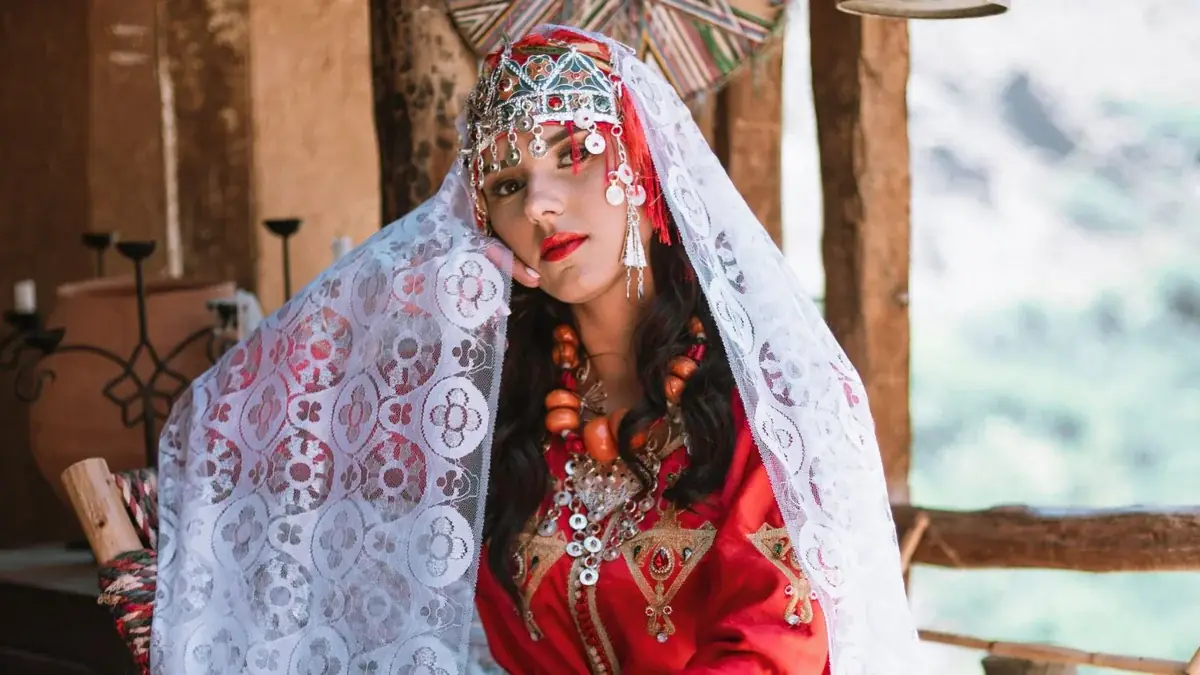
When travelling through Morocco, especially the Atlas Mountains, the Agadir region or the Sahara, you will come across villages, traditional houses, ancient kasbahs and communities with a rich cultural heritage.
Many of these communities belong to the Amazigh people, the Indigenous people of North Africa, whose history, traditions and way of life have shaped Moroccan culture for thousands of years.
You might have heard the word "Berber" before, but the name Amazigh is increasingly preferred by the people themselves. The plural is Imazighen, and Amazigh is commonly translated as "free person".
So, who are the Amazigh people, where do they live, and what makes their culture special? Let's take a closer look.
1. Who Are the Amazigh People?
The Amazigh are the Indigenous people of North Africa. Their history goes back thousands of years, long before the arrival of Arab populations in the region.
Today, Amazigh communities are found across Morocco, Algeria, Tunisia, Libya and other parts of North Africa.
In Morocco, Amazigh culture is an important part of the country's identity. It has influenced architecture, food, music, clothing, traditions and everyday life.
Although Morocco has a strong Arab cultural and linguistic influence, Amazigh heritage remains very present throughout the country.
2. Where Do the Amazigh People Live in Morocco?
Amazigh communities live across Morocco, particularly in mountainous and rural regions.
Some of the main areas include:
The High Atlas Mountains
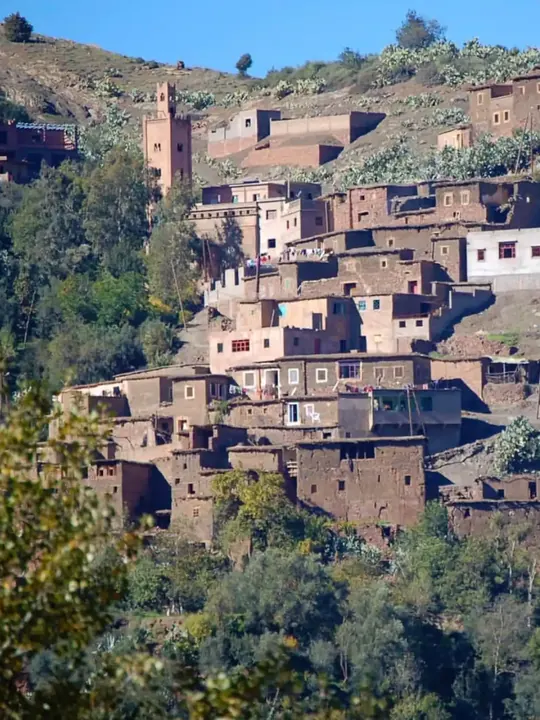
The High Atlas is home to many Amazigh villages. When travelling around the Atlas Mountains, especially near Imlil and the Ourika Valley, you will see traditional stone and earthen houses, terraced fields and small villages built along mountain slopes.
Many families still maintain a traditional rural lifestyle based on agriculture, livestock and local trade.
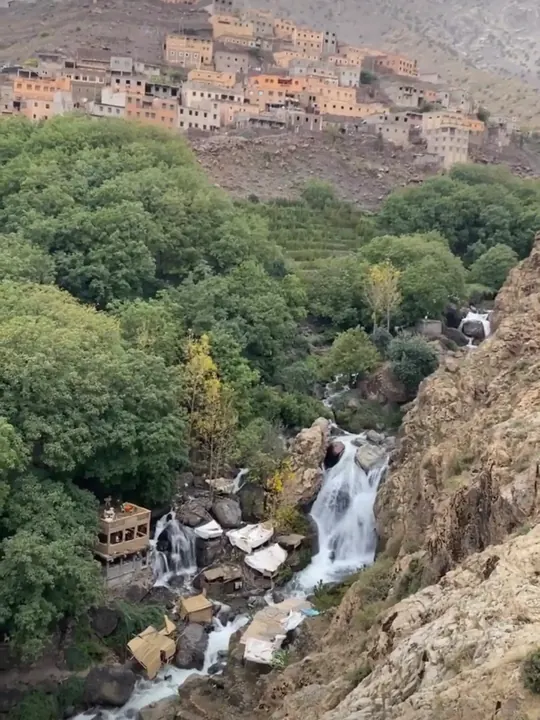
The Middle Atlas Mountains
The Middle Atlas also has important Amazigh communities, with villages surrounded by forests, mountains and agricultural land.
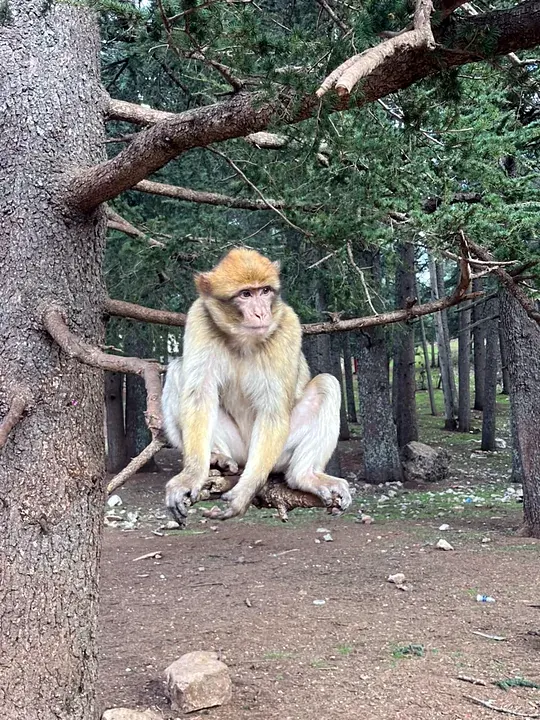
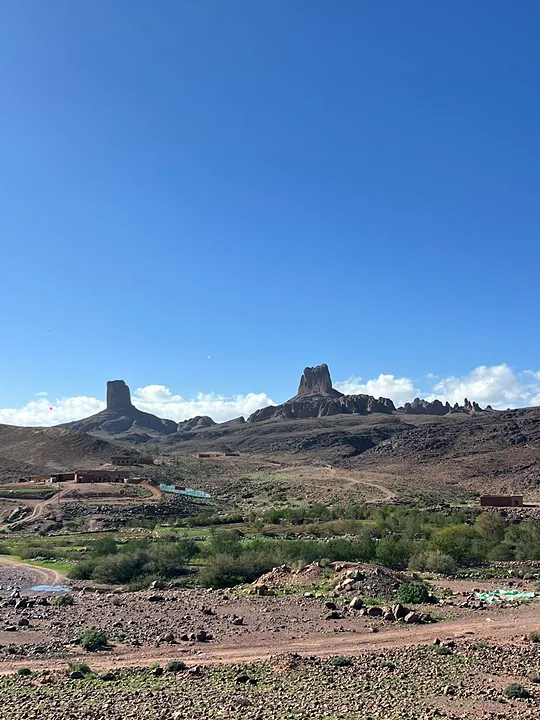
The Rif Mountains
In northern Morocco, the Rif region has its own distinctive Amazigh cultural heritage and traditions.
The Agadir and Souss region
Around Agadir and the Souss Valley, Amazigh culture is particularly strong. Traditional architecture, local markets, food and regional customs remain important parts of everyday life.
Southeastern Morocco and the Sahara
Around the Dades Valley, Todra Gorge, Merzouga and other areas of southeastern Morocco, you can visit traditional villages and impressive kasbahs.
Some communities have historical connections to nomadic and semi-nomadic lifestyles, particularly in the desert regions.
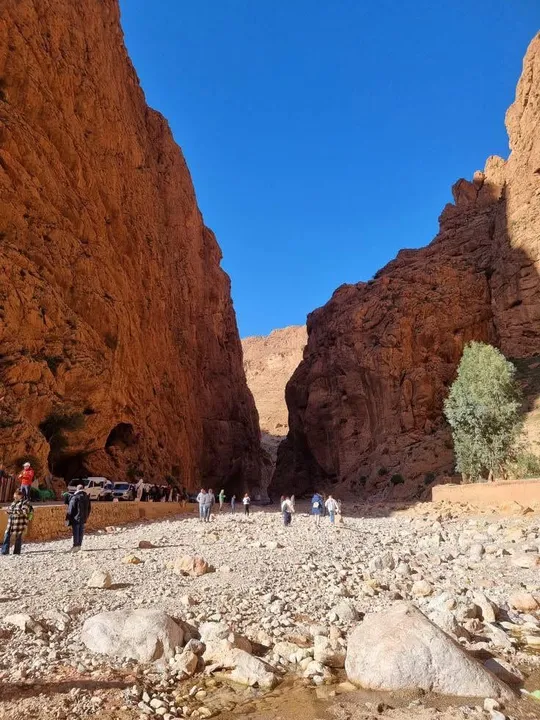
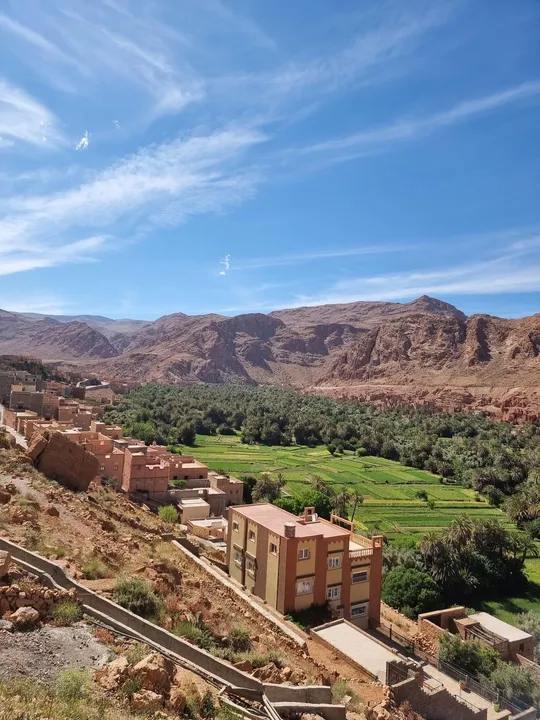
3. Traditional Amazigh Villages and Kasbahs
One of the most interesting ways to understand Amazigh culture is through its architecture and traditional villages.
When travelling from Marrakech towards the Sahara Desert, you will pass through beautiful landscapes filled with traditional earthen houses, fortified villages and ancient kasbahs.
Many buildings are constructed using local materials such as earth, clay, straw and stone. These materials help keep houses cooler during hot summers and warmer during colder periods.
Some villages are built into mountain slopes, while others sit beside rivers, palm groves and agricultural land.
A visit to places such as the Dades Valley, Aït Ben Haddou or the villages around Merzouga gives you an opportunity to see how people have adapted their homes and lifestyles to their surroundings.
These places are not simply tourist attractions. They are part of a living cultural heritage.
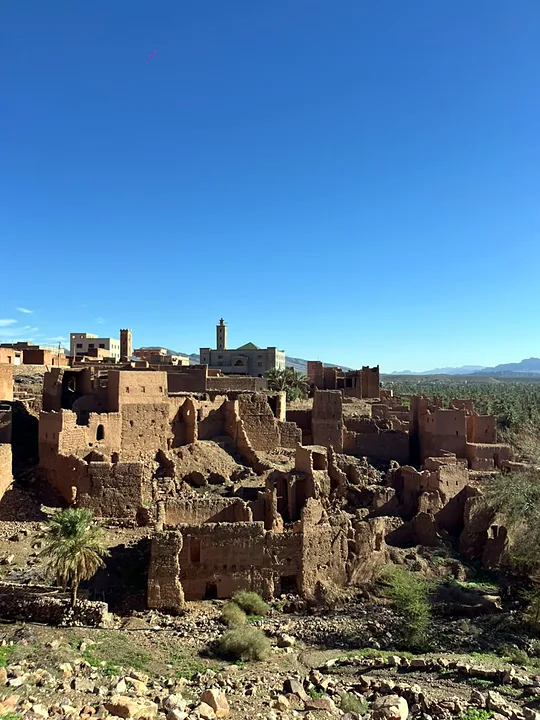
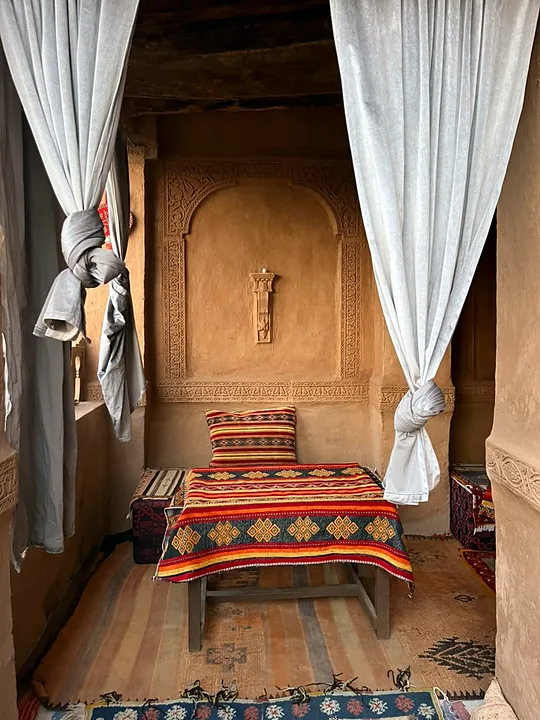
Kasbahs and Ksour Worth Visiting
Here are some of the most impressive kasbahs and fortified villages you can see on the way to the Sahara:
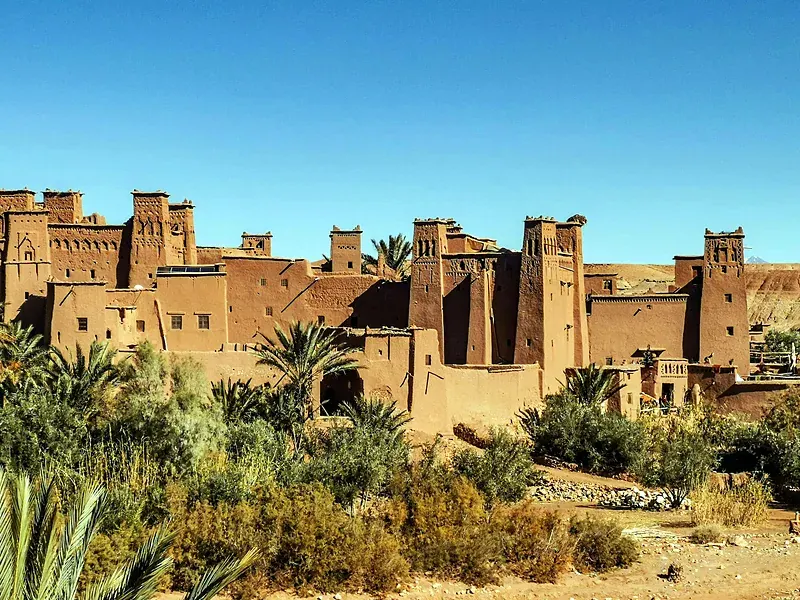
- Aït Ben Haddou: a fortified earthen village (ksar) listed as a UNESCO World Heritage Site, on the route between Marrakech and the Sahara. It has been used as a setting in many films and series.
- Kasbah of Telouet: the former palace of the Glaoui family, on the old caravan route across the High Atlas near the Tizi n'Tichka pass.
- Kasbah Taourirt, Ouarzazate: another former Glaoui residence, in the centre of Ouarzazate.
- Kasbah Amridil, Skoura: one of the best-preserved kasbahs in Morocco, set in the palm groves of Skoura.
- The Dades Valley: known as the Road of a Thousand Kasbahs, with earthen villages and kasbahs along the river.
- The ksar of Tamnougalt, Draa Valley: an old fortified village near Agdz, with covered passages and earthen houses, on the road to Erg Chegaga.
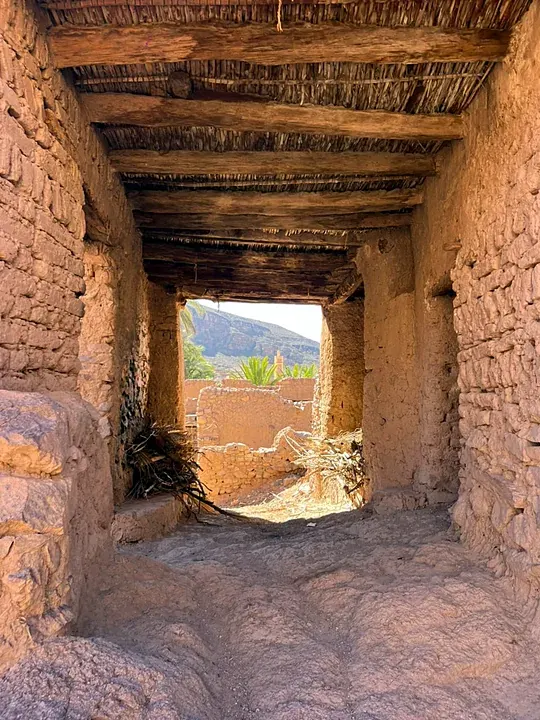
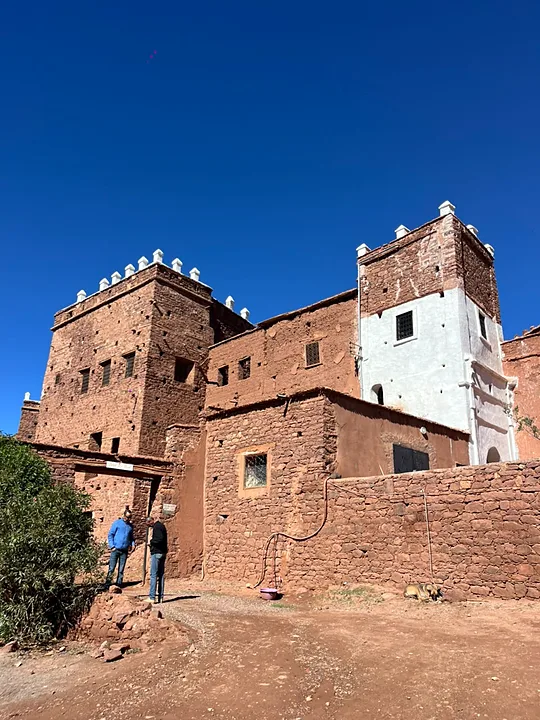
Many of these places are on our Sahara and Morocco tours, including the 3-day tour to Merzouga through Aït Ben Haddou and the Dades Valley, and the 4-day Erg Chegaga tour through the Draa Valley and Tamnougalt.
4. Amazigh and Arab Culture in Morocco
One important thing to understand about Morocco is that Amazigh and Arab communities live together throughout the country.
Over many centuries, these communities have influenced one another, sharing traditions, food, customs and ways of life.
Although Amazigh and Arab cultural traditions have their own histories and characteristics, modern Moroccan society is deeply interconnected.
Darija, the Moroccan Arabic dialect, is widely spoken and serves as a common language of everyday communication between people from different backgrounds.
Many Moroccans have both Amazigh and Arab cultural influences in their family histories.
This mixture is one of the things that makes Moroccan culture so interesting.
5. Amazigh Clothing, Music and Traditions
Amazigh culture has a rich variety of traditional clothing, music, jewellery and celebrations.
Traditional clothing
Traditional clothing varies considerably between regions.
In mountain villages, you may see traditional wool garments, colourful dresses and distinctive head coverings.
Amazigh women are also known for beautiful traditional jewellery, often made from silver and decorated with geometric patterns.
Music and dancing
Music plays an important role in Amazigh celebrations and social gatherings.
Traditional instruments, rhythmic singing and group dancing are common during weddings, festivals and family celebrations.
Some well-known musical traditions include Ahwach, particularly in the Souss region, and Ahidous, associated with parts of the Middle and High Atlas.
These performances are often an important way of bringing communities together and passing cultural traditions from one generation to another.
6. Amazigh Food: What Should You Try?
Food is one of the best ways to understand Moroccan culture, and Amazigh culinary traditions have contributed enormously to the country's cuisine.
Here are some foods worth trying during your visit.
Amazigh couscous
Couscous is one of the most important dishes in Moroccan food culture. It is traditionally prepared with steamed semolina and served with vegetables, meat and a flavourful broth.
Different regions have their own recipes and preparation methods.
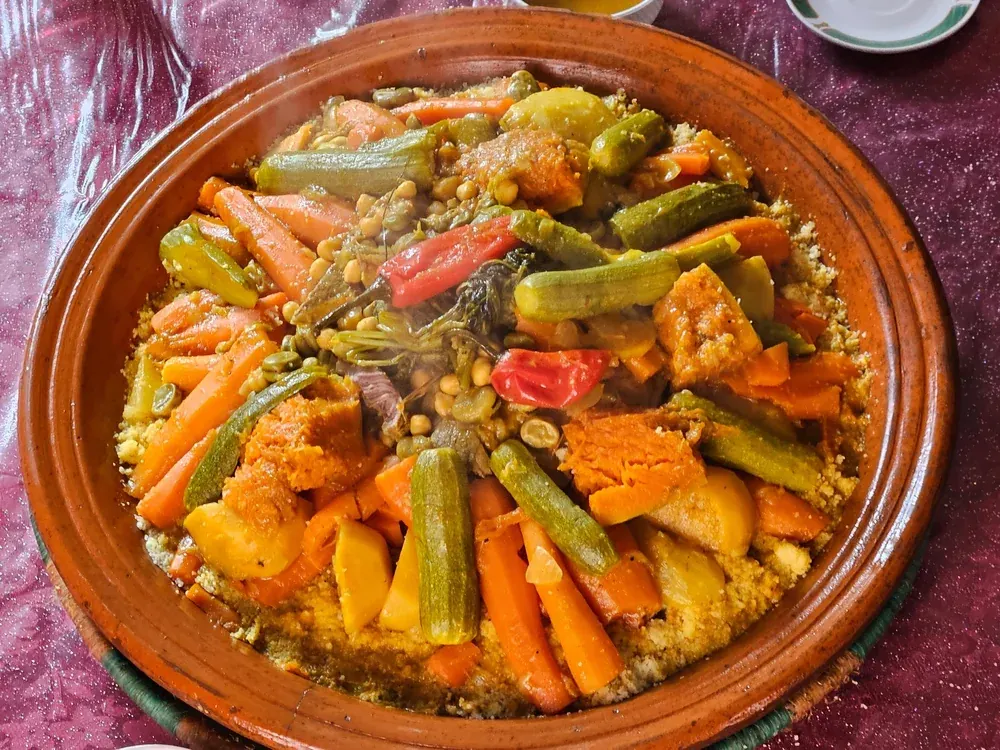
Tagine
Tagine takes its name from the traditional clay cooking vessel in which it is prepared.
It can be made with chicken, lamb, beef or vegetables (you can learn to make one in our cooking class), often combined with spices, olive oil and seasonal ingredients.
Slow cooking gives the dish its distinctive flavour.
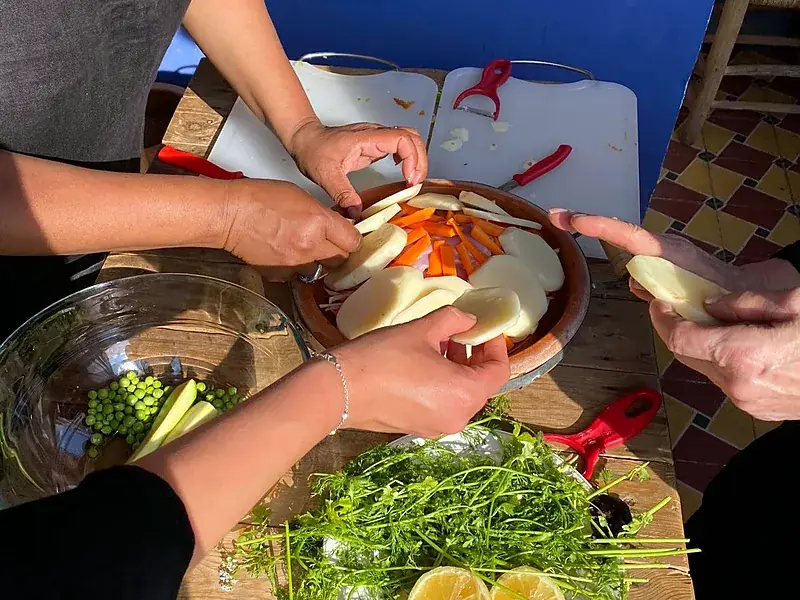
Amlou
Amlou is a traditional spread particularly associated with the Souss region.
It is usually prepared with roasted almonds, argan oil and honey. People often enjoy it with fresh bread for breakfast or as a snack.
Tafarnout bread
Tafarnout is a traditional bread associated with southern Morocco and Amazigh food traditions.
It is traditionally baked using a clay or stone oven and is often served with olive oil, honey, amlou or a traditional meal.
Madfouna – The Moroccan Desert Pizza
If you travel towards Merzouga and the region around Erfoud, you may come across Madfouna, sometimes called Berber pizza.
It is a stuffed bread traditionally filled with ingredients such as meat, onions, spices and herbs before being baked.
It is a particularly interesting local speciality to try when exploring southeastern Morocco.
7. Nomadic Life and Hospitality
In some parts of southeastern Morocco, especially around the Sahara, nomadic and semi-nomadic traditions have played an important role in local life.
Historically, some families moved from one area to another depending on the availability of water, grazing land and seasonal conditions.
Although modern lifestyles have changed considerably, these traditions remain part of the region's cultural heritage.
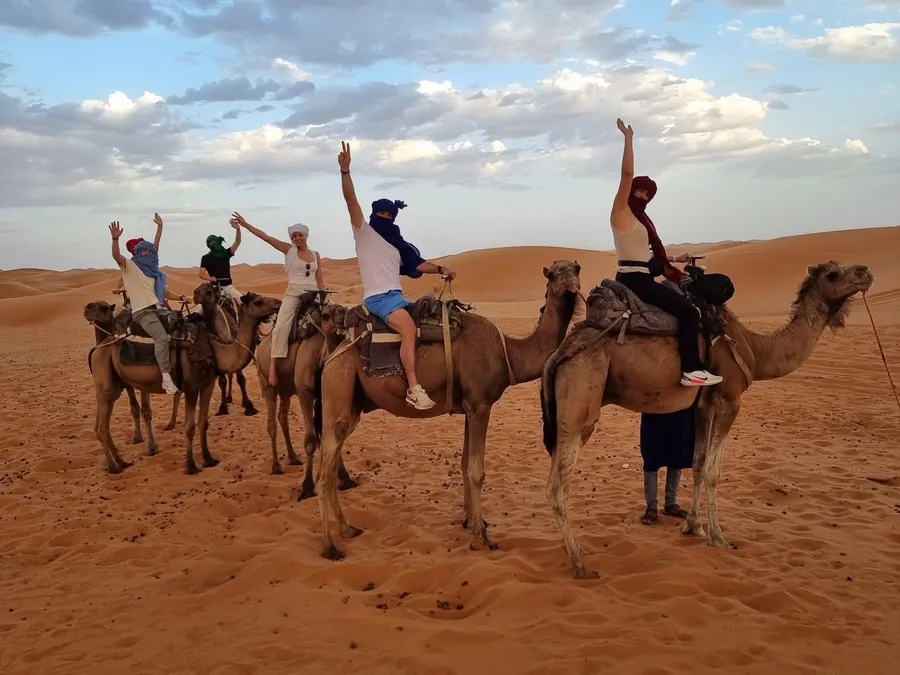
Hospitality is another important part of Moroccan life, including in Amazigh communities.
Visitors are often welcomed with Moroccan mint tea, homemade bread and food. Sharing tea and a meal is more than just eating together; it is an important social tradition.
If you have the opportunity to visit a local family during your travels, it can be one of the most memorable experiences of your trip.
8. How Can You Experience Amazigh Culture During Your Trip to Morocco?
You don't need to visit a museum to understand Amazigh culture. Some of the best experiences happen while travelling through the country and meeting local people.
Here are a few suggestions:
- Visit traditional villages in the High Atlas Mountains.
- Explore the kasbahs and earthen architecture of southeastern Morocco.
- Enjoy a traditional meal with a local family.
- Try regional dishes such as amlou, tafarnout and madfouna.
- Visit local markets and observe everyday life.
- Explore the landscapes around Merzouga and learn about the region's nomadic heritage.
- Take time to speak with local guides and hear their stories.
A guided experience with someone who knows the region can help you understand the history and traditions behind the places you visit.
Final Thoughts
Morocco is much more than its famous cities, colourful markets and beautiful desert landscapes.
Its cultural identity has been shaped by Amazigh heritage, Arab influences and many other historical connections.
From the mountain villages of the Atlas to the kasbahs of southeastern Morocco, Amazigh culture remains an important part of everyday life.
Meeting local people, sharing a meal, drinking mint tea and learning about their traditions can give you a much deeper understanding of the country.
And sometimes, the most memorable part of travelling in Morocco is not the place you visit, but the people you meet along the way.
Our experience4-Day Erg Chegaga Desert TourThrough the Draa Valley, the ksar of Tamnougalt and palm groves to the wild dunes of Erg Chegaga. Private, with your own driver.See the details →Our experienceAtlas Mountains Day TripMountain villages, an argan cooperative and a hike in the Ourika Valley with a local guide. From €200 per group.See the details →Questions about your trip?
Send us your dates and what you would like to see, and we will reply with ideas and availability.